It’s the beginning of a New Year and as the saying goes, “New Year, New You.” This is the most 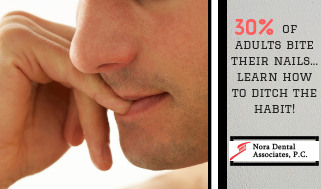 opportune time to resolve to kicking your pesky nail biting habit. Your motivation may be to have longer, prettier nails but ditching the nail biting can also greatly benefit your dental health. This bad habit also originates in childhood with an estimated 60% of kids and 45% of teenagers being consistent nail biters. The habit is less common as adulthood approaches but it is still estimated that 30% of adults continue to bite their nails.
Regular nail biting can lead to cracked, chipped, or worn down front teeth from the stress caused by biting. Another risk that comes with compulsive nail biting is sore or damaged gum tissue (caused by the rough, jagged nails) which furthers the spread of bacteria from other body parts to the mouth. A new study also concluded that nail biters are at a much higher risk for bruxism which is the unconscious clenching or grinding of teeth. This can lead to flat looking tips of teeth, tooth enamel that is worn off, extreme sensitivity, and even indentations of the tongue. Extreme nail biting cases can even lead to TMJ which includes pain in the muscles and ligaments that are used to chew.
Despite all of the negative effects that nail biting can have on your teeth (not to mention your nails and nail beds) there are ways to help combat this compulsive habit.
- Paint nails with a bitter tasting polish that is specifically designed to help nail biters break the habit
- Regularly manicure your nails and keep them as short as possible to help eliminate the possibility of chomping away
- If stress is the trigger to your nail biting, try meditation or yoga to calm your nerves
- Spend your hard earned money on professional manicures. Knowing you’re financially invested in your nails will help motivate you to not ruin them
- Take note of when you usually bite your nails (driving, high stress times, bored, hungry, angry, etc). Once you can narrow down the instigator you can focus on avoiding nail biting during that time
- Keep your mouth and hands busy. Chew gum so your mouth is preoccupied. Get a stress ball to squeeze or even a fidget spinner to keep your hands busy.
- Start small: Vow to not bite the nails on your right hand or even smaller by vowing to not bite your pinky fingers. Every couple of days add another finger to not bite and eventually you will be nail bite free!
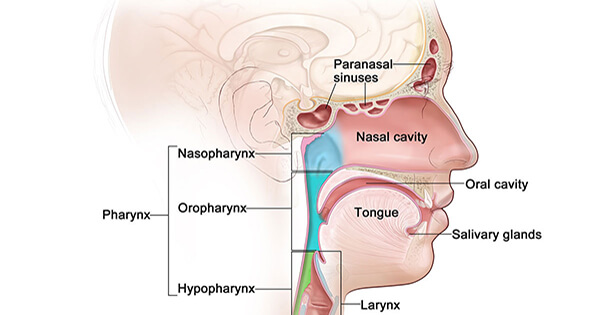 symptoms and that men were only potential carriers of the virus. The lack of prevalent & instant symptoms is primarily why there was no real focus on protecting men from getting HPV. All of that is now changing with more research and statistics that prove that HPV can be detrimental to men, especially
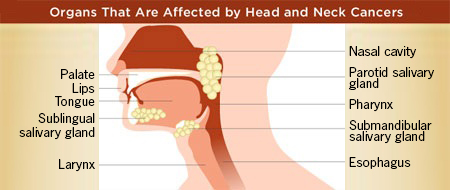
 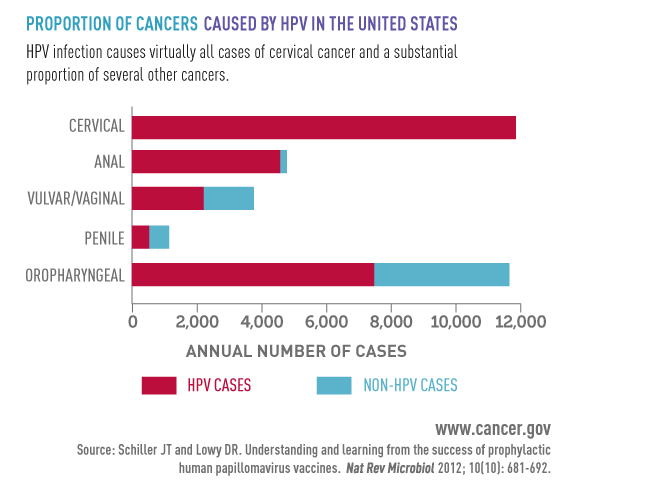 With HPV cases constantly on the rise and it’s ability to cause cancer it is no wonder that head and neck cancers are increasing. What is curious though is the rate at which men are suffering from these head and neck cancers compared to women. Men are in fact, 3-5 times more vulnerable to oropharyngeal cancer than women. HPV is associated with 9,000 cases of head and neck cancers in the U.S. each year.
 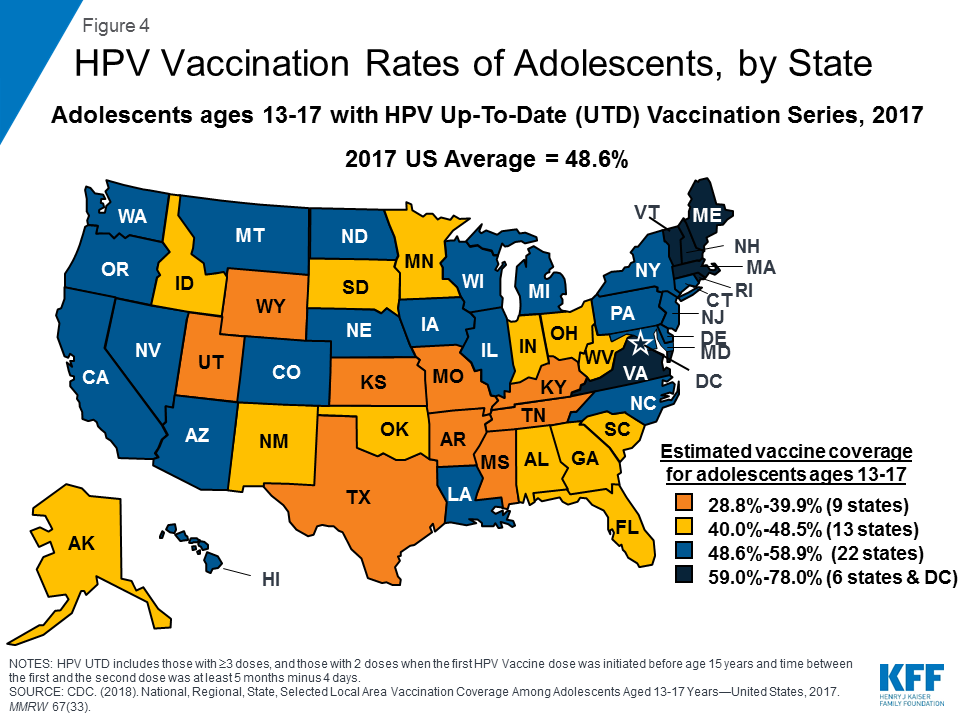 men and young boys are getting to the HPV vaccine. In 2007 when the vaccine Gardasil hit the market it was intended primarily to prevent HPV in females (and therefore cervical cancer caused by HPV). Now we know that men can be infected with HPV as well and develop cancer because of it, doctors have started recommending that both young women (up to age 26) and young men (up to age 21) receive the 2-part vaccine. There is much more research to date about the HPV vaccine preventing cervical cancer and very little research about its effectiveness in preventing oropharyngeal cancers. The data that does currently exist suggests that the vaccines will be a very effective intervention.
  Unless you’ve been blissfully ignorant this past year about the potential health risks involved with e-cigarettes (vaping) you know that they are not good for you. Not only do many of them contain the highly addictive nicotine but the side effects of “vaping” are extensive. Some of those side effects include: nausea, vomiting, stomach pain, eye irritation, high blood pressure, seizures, and even coma. Additionally, the FDA reported that it has discovered cancer-causing substances called nitrosamines. What you may not have known though is that e-cigarettes may very well increase your cavity risk.