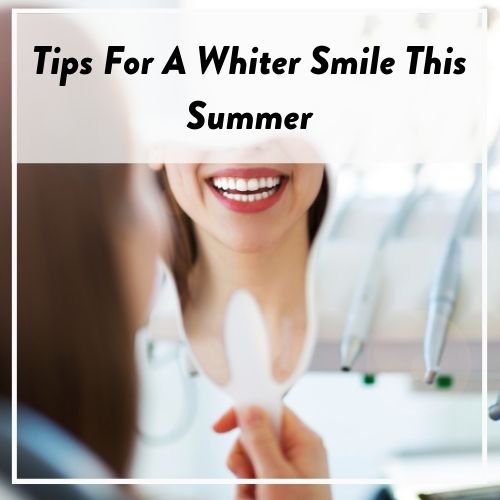
A whiter smile is on the wish list of many of our patients this summer. We would love to share some tips to make sure that you get the smile you want!
Use A Whitening Toothpaste:
Our first tip would be to start out by switching over to a whitening toothpaste. Besides keeping your mouth clean, whitening toothpaste focuses on removing stains from your teeth. In order for this to be effective, you must consistently use it, so we suggest switching to a whitener today!
Drinking Lots Of Water:
Water is not only beneficial to your overall health, but can also be helpful to keeping your teeth white. By drinking water, you ensure that you are constantly rinsing out bacteria and food debris, which are both leading causes of cavities and gum disease. The minerals and fluoride found in water help to restore and strengthen your enamel as well. This will help you keep your teeth healthy and have a shiny white smile all summer long!
Flossing Daily:
One of the leading causes of stained teeth is from plaque buildup and the formation of tartar. The main way to make sure you don't start to get tartar or plaque buildup is to have a constant flossing schedule. This may sound tedious, but we suggest that you floss at least once a day to make sure that there is no food debris stuck in your teeth. it doesn't matter what time of the day you floss; you can do it whenever you prefer.
Go To The Dentist For A Teeth Cleaning:
We would suggest going in for an appointment every six months if possible. This gives our team a chance to help keep your smile white, as well as check in to make sure everything is going well!
We hope that you found these tips helpful and useful, but good home routines may not be enough to get the smile you're looking for. For faster and more intense results, schedule an appointment and ask us about our teeth whitening options. We'll work to find an option that meets your individual needs!
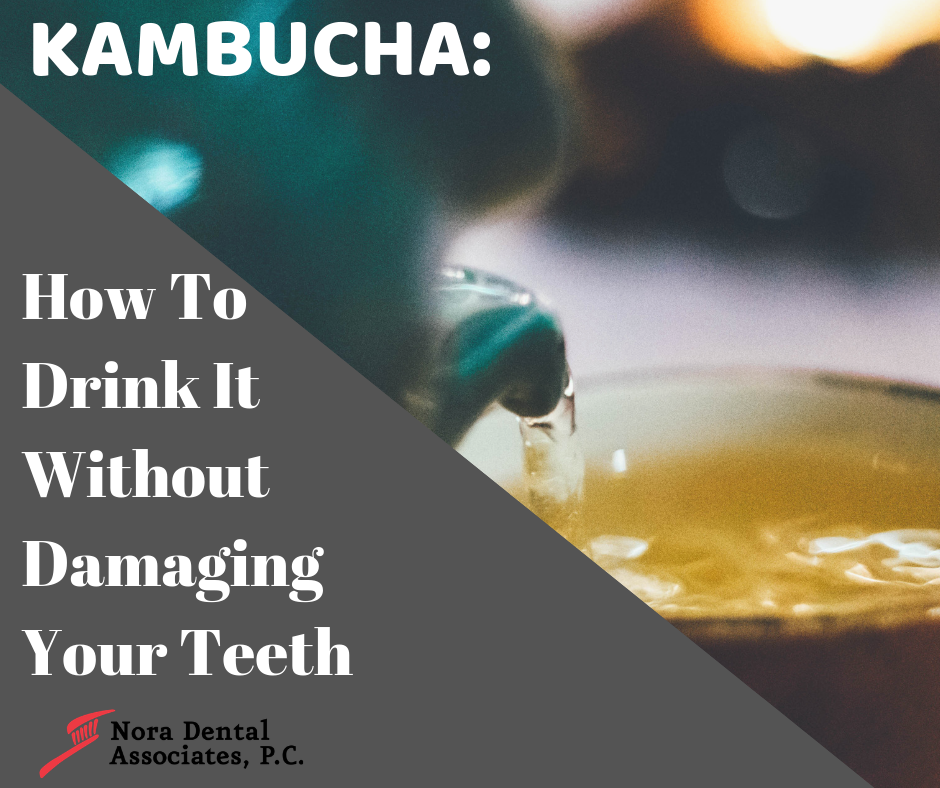
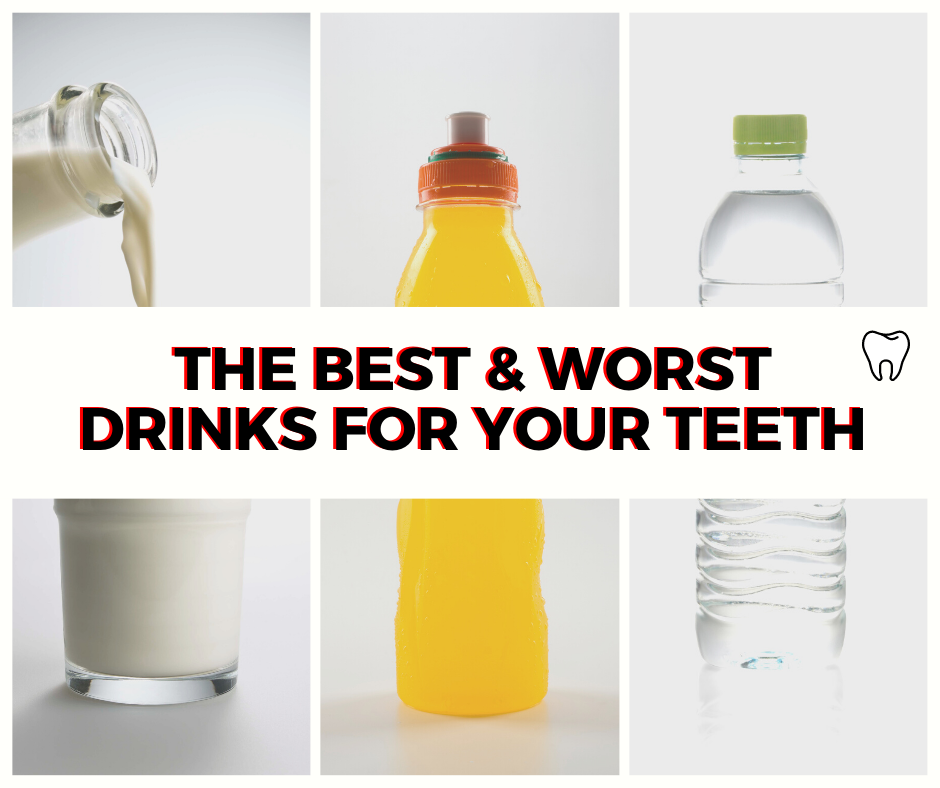 What you drink and how you drink it can have a huge impact on your oral health. Here are some of the best and worst drinks for your teeth.
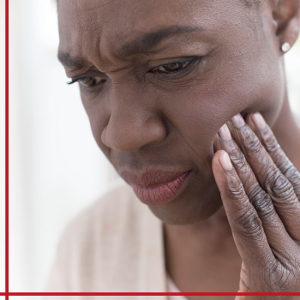 Teeth grinding, also known as bruxism, can occur both while you sleep and subconsciously while you're awake. However, it most often happens at night, which means that many people who grind their teeth aren't even aware of it. So how do you know if you grind your teeth at night?
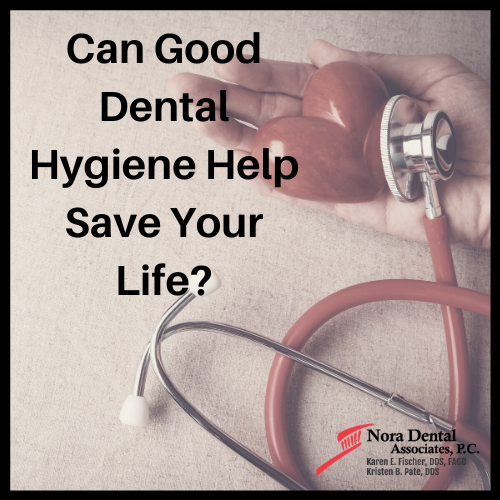 We all know that good dental hygiene can help prevent cavities, tooth decay, and gingivitis but new studies have found that brushing your teeth 3 or more times a day significantly reduces the risk of atrial fibrillation and heart failure. Many studies (including this recent one by Dr. Tae-Jin Song of Ewha Womans University) have been done about the linking between oral health and cardiovascular health. Some studies have found oral bacteria in those people receiving treatment for stroke. Additionally, there has been a link discovered between those with severe gum disease and hypertension. The findings of Dr.Tae-Jin Song (mentioned above) concluded that, "Poor oral hygiene can provoke transient bacteremia and systemic inflammation, a mediator of atrial fibrillation and heart failure." The long term study also found that "Brushing the teeth three times or more a day was linked with a 10% lower chance of developing A-fib and a 12% lower risk of heart failure.”
 It has long been considered a dental taboo to chew gum but recent studies have shown that sugarless gum may actually be helpful instead of harmful. In fact, these studies have determined that chewing sugarless gum for 20 minutes after each meal can indeed help prevent tooth decay. The primary reason that the gum is useful in dental health is that it increases the flow of saliva. Having additional saliva in your mouth is beneficial in that it assists in washing away debris and food. Increased saliva also brings with it more calcium and phosphate, both of which helps strengthen tooth enamel.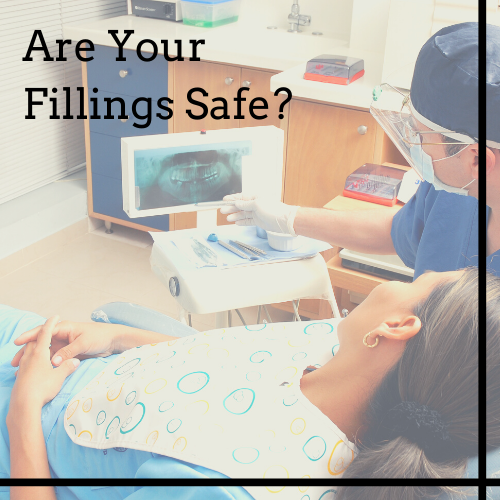
 (carefully coiffed) dollop of toothpaste on top. What we need to remember is that these images come from people who are trying to sell toothpaste and a lot of it. In actuality, the amount of toothpaste needed is drastically less than these advertisers would have you believe. In fact, the practice of over applying toothpaste can have harmful effects in children and potentially adults.
  I would never ask my patients to do something that I myself would not be willing to do myself. That is exactly why when it comes to teeth stains from coffee my answer will never be, “Stop drinking coffee.” Enjoying a cupe of coffee, whether morning or anytime of day, is perfectly fine but here are some tips that I’d like to share with you to help prevent those unsightly coffee stained teeth.